The Marathon of Hope: How Terry Fox Ran Across Canada on One Leg
In 1980, a 21-year-old with a prosthetic leg dipped his foot in the Atlantic Ocean and set out to run a marathon a day across Canada. The story of Terry Fox's Marathon of Hope remains one of the most inspiring feats of human endurance.
· 5 min read · Running Culture
Most of us complain about running a single marathon. We worry about tapering, carb-loading, perfect weather, and specialized carbon-plated shoes.
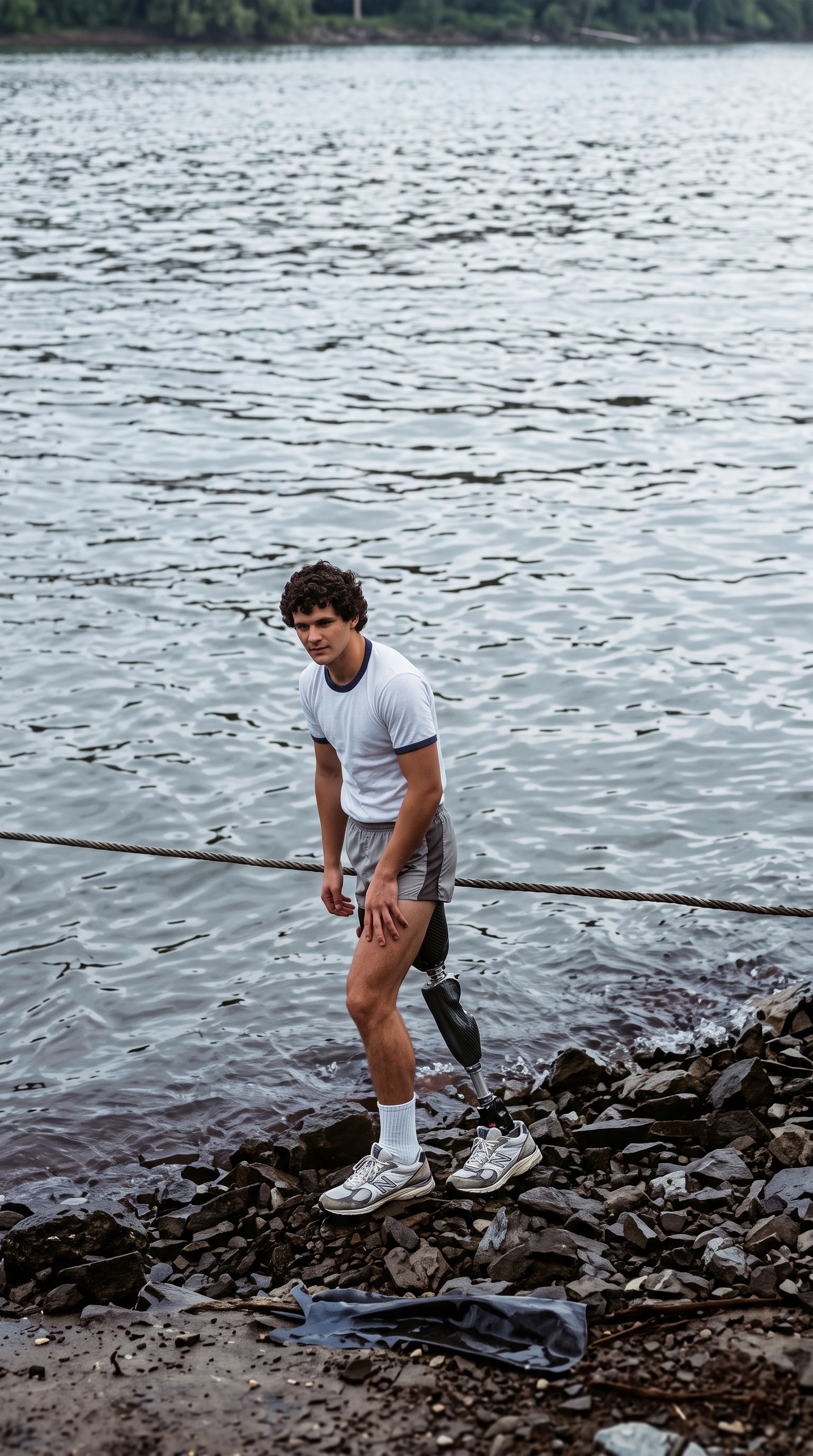
In 1980, a 21-year-old named Terry Fox dipped his prosthetic right leg into the Atlantic Ocean near St. John's, Newfoundland, and started running west. His goal was not just to run one marathon. His goal was to run a marathon every single day until he reached the Pacific Ocean on the other side of Canada.
He called it the Marathon of Hope.
!Terry Fox starting his run on the coast
The diagnosis
Just three years earlier, Terry was a competitive basketball player studying kinesiology at Simon Fraser University. But after experiencing severe pain in his right knee, doctors discovered osteosarcoma, a type of bone cancer. They were forced to amputate his right leg six inches above the knee.
While undergoing chemotherapy, he read an article about Dick Traum, the first amputee to complete the New York City Marathon. That seed of an idea grew into something massive. Terry decided he wanted to run across Canada to raise money for cancer research, hoping to collect one dollar from every Canadian citizen (about $24 million at the time).
!Terry Fox in the hospital after his amputation
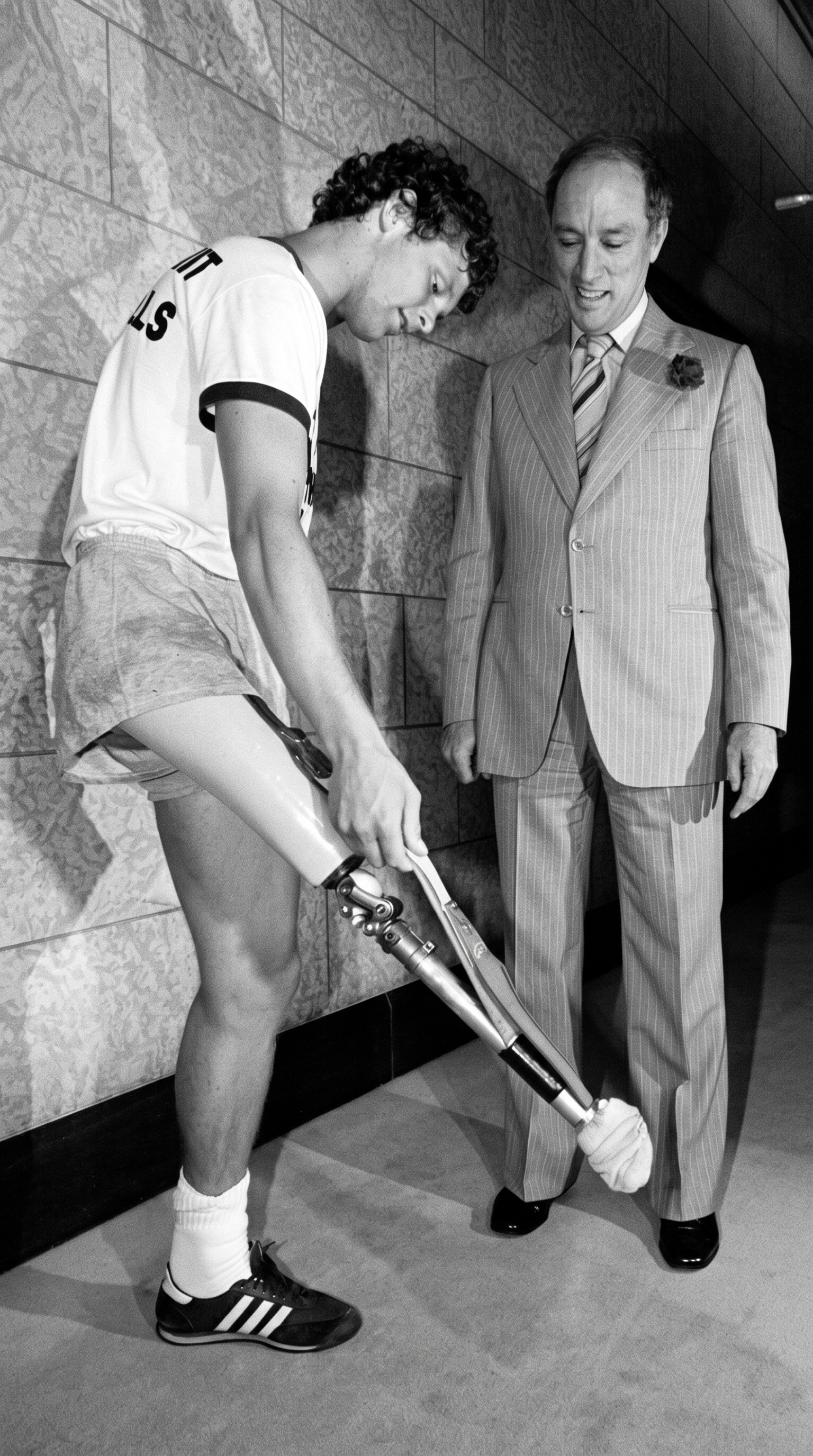
He trained in secret for 15 months, logging over 3,000 miles to prepare his body and his prosthetic leg for the brutal demands of the road.
A marathon a day
On April 12, 1980, the Marathon of Hope began.
Terry ran with a distinctive hop-step gait, necessary to allow the spring in his primitive prosthetic leg time to reset after each stride. The physical toll was immense. He suffered from bone bruises, blisters, and shin splints on his healthy leg, but he refused to take a day off.
He ran through snow, freezing rain, and brutal summer humidity. He averaged a full marathon (42 km / 26.2 miles) every single day.
!Terry Fox running down a Canadian highway
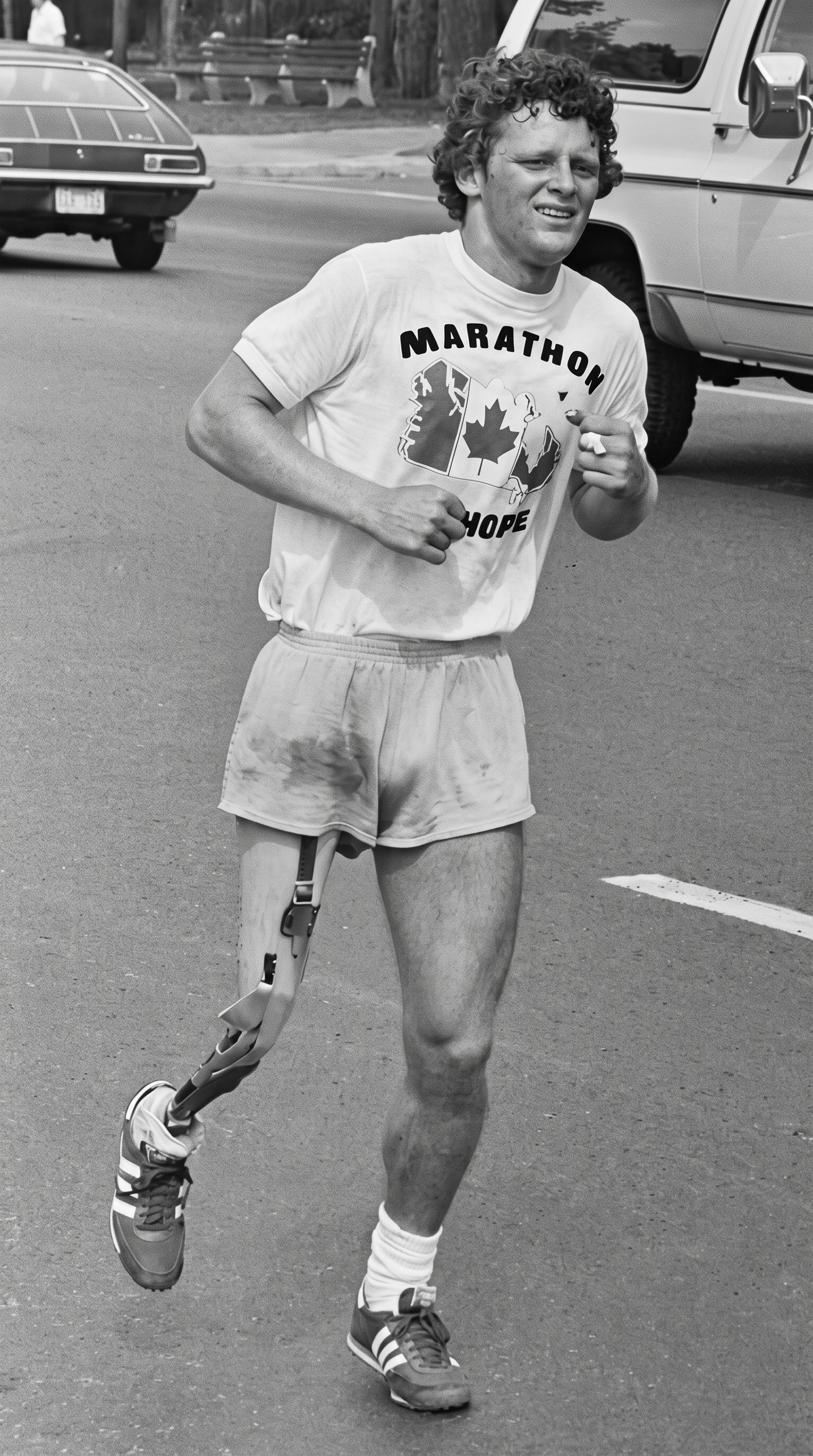
Initially, he ran in relative obscurity. But as he crossed into Ontario, his determination began to capture the nation's attention. Crowds lined the highways to cheer for him, and donations started pouring in. He became a national hero, escorted by police cruisers and mobbed by supporters in every town he entered.
Forced to stop
On September 1st, just outside of Thunder Bay, Ontario, Terry was forced to stop running. He was experiencing intense chest pain and a severe cough.
At a hospital, doctors confirmed his worst fear: the cancer had returned and spread to his lungs. After 143 days and an astonishing 5,373 kilometers (3,339 miles), the Marathon of Hope had to be suspended.
!A close up of his prosthetic leg on the road
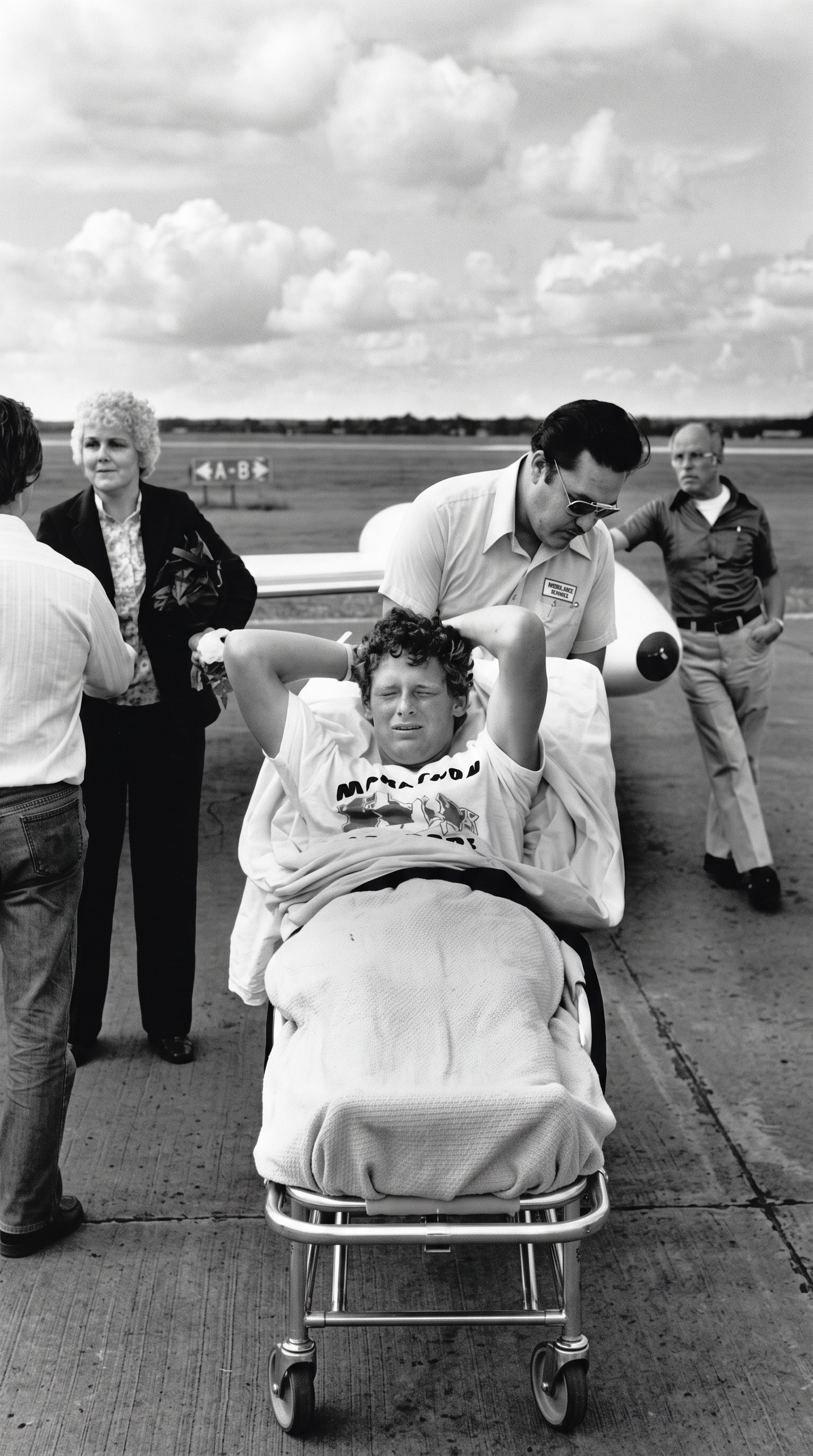
"I've got cancer in my lungs," he told a devastated press conference. "I've got to go home and have some more X-rays and maybe some more operations. I'll do everything I can."
He had raised $1.7 million by the time he was forced to stop. But the momentum he created was unstoppable. Telethons and national fundraisers continued in his name, and by February 1981, he had achieved his goal: $24.17 million had been raised, representing one dollar for every Canadian.
The legacy continues
Terry Fox passed away on June 28, 1981, one month short of his 23rd birthday.
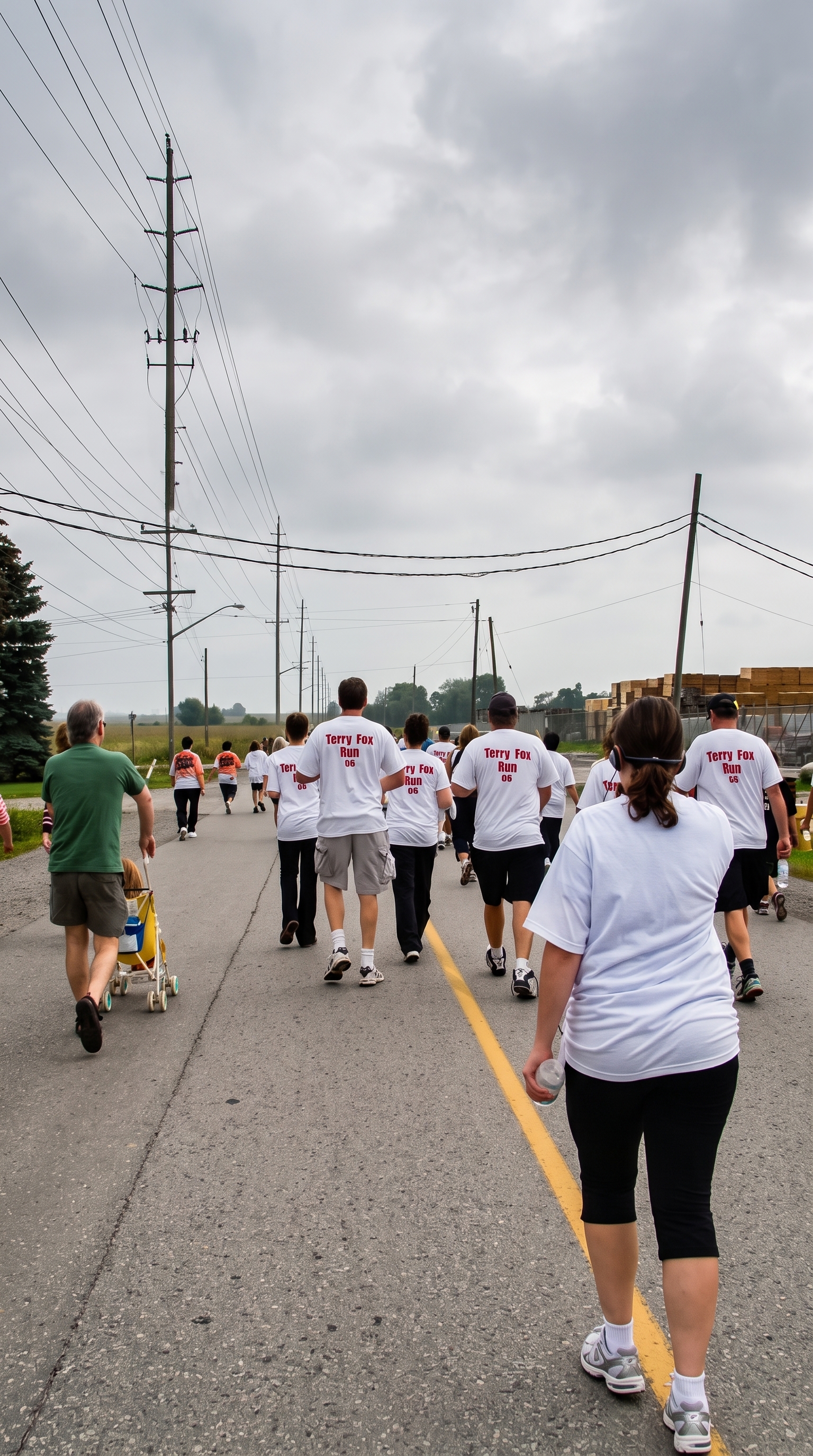
But his run never really ended. Today, the annual Terry Fox Run takes place in over 30 countries around the world. To date, his foundation has raised over $850 million for cancer research.
!The legacy of the Terry Fox Run
His story is not a motivational poster. It is a real kid who decided that his cancer diagnosis would fund the destruction of cancer itself. Every dollar raised since then traces back to a 21-year-old limping down the Trans-Canada Highway, refusing to quit.
If his story makes you want to lace up and set a goal of your own, our AI Run Planner can build a custom training schedule to get you moving, and our race directory will help you find the right event.
Find races: Browse marathons and road races in Canada on Your Run Guide, including major events in Vancouver, Toronto, and Montreal.