Breaking the Impossible: Roger Bannister and the Four-Minute Mile
For decades, scientists and athletes agreed that running a mile in under four minutes was physically impossible. In 1954, a 25-year-old medical student proved them wrong and changed running forever.
· 4 min read · Running Culture
Nobody thought it could be done. Scientists had published papers explaining why the human body would fail before running a mile in under four minutes. Athletes had spent decades falling short. The four-minute mile was not just a record. It was a wall.
For decades, the four-minute mile was the ultimate barrier. It was widely believed by both athletes and scientists that the human body was simply not capable of running that fast. The lungs would burst, the heart would fail, and the muscles would collapse.
Then came Roger Bannister.
!A vintage stopwatch representing the four-minute barrier
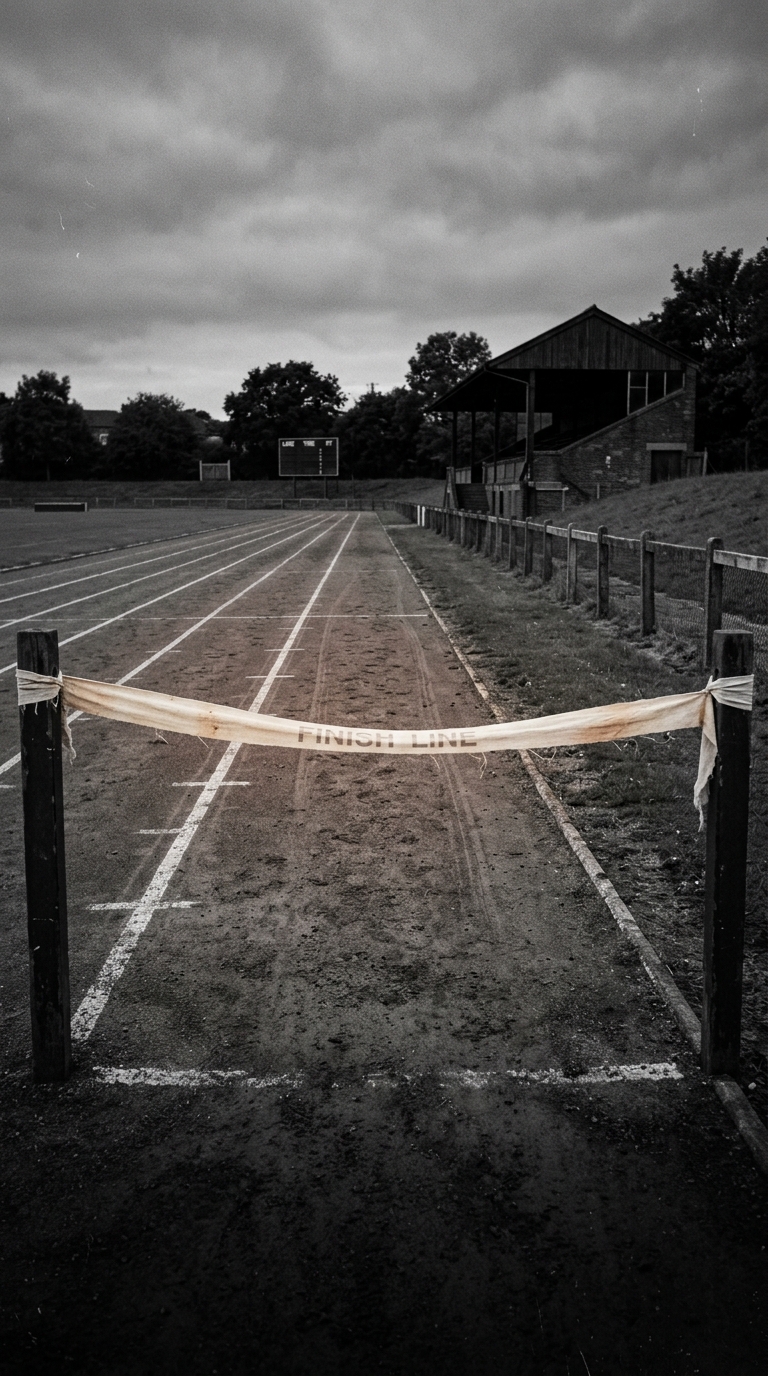
The medical student who ran at lunch
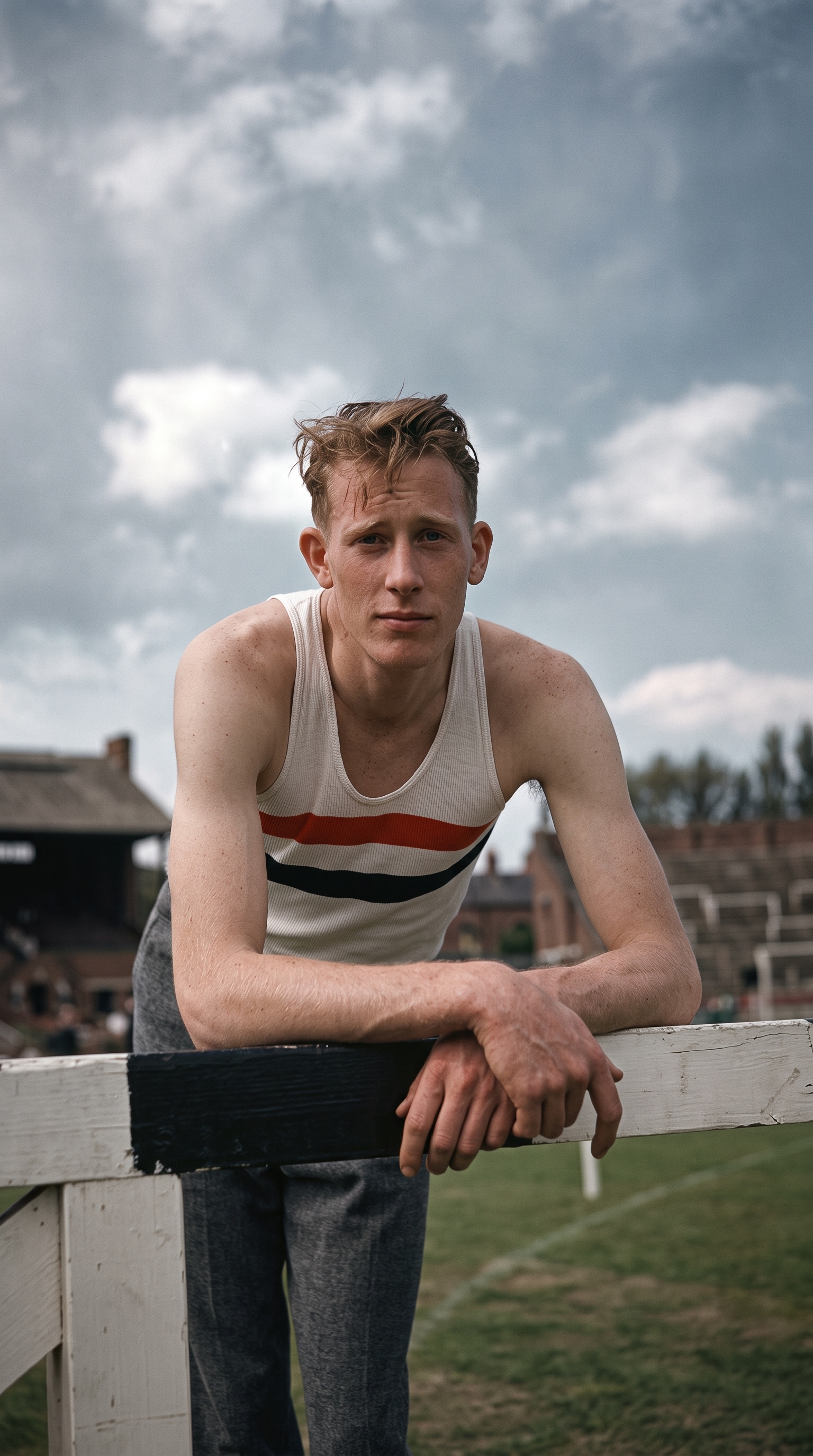
Unlike the professional athletes of today, Roger Bannister was not a full-time runner. He was a 25-year-old medical student, studying at St Mary's Hospital Medical School in London but training at the Iffley Road track in Oxford.
He had no professional coach, no high-altitude training camps, and no carbon-plated spikes. He squeezed his training into his lunch breaks, running hard intervals before rushing back to his studies. But Bannister had a deep understanding of human physiology, and he refused to accept that the four-minute barrier was a hard biological limit.
!Roger Bannister training on a cinder track
The plan: two pacers, one lap each
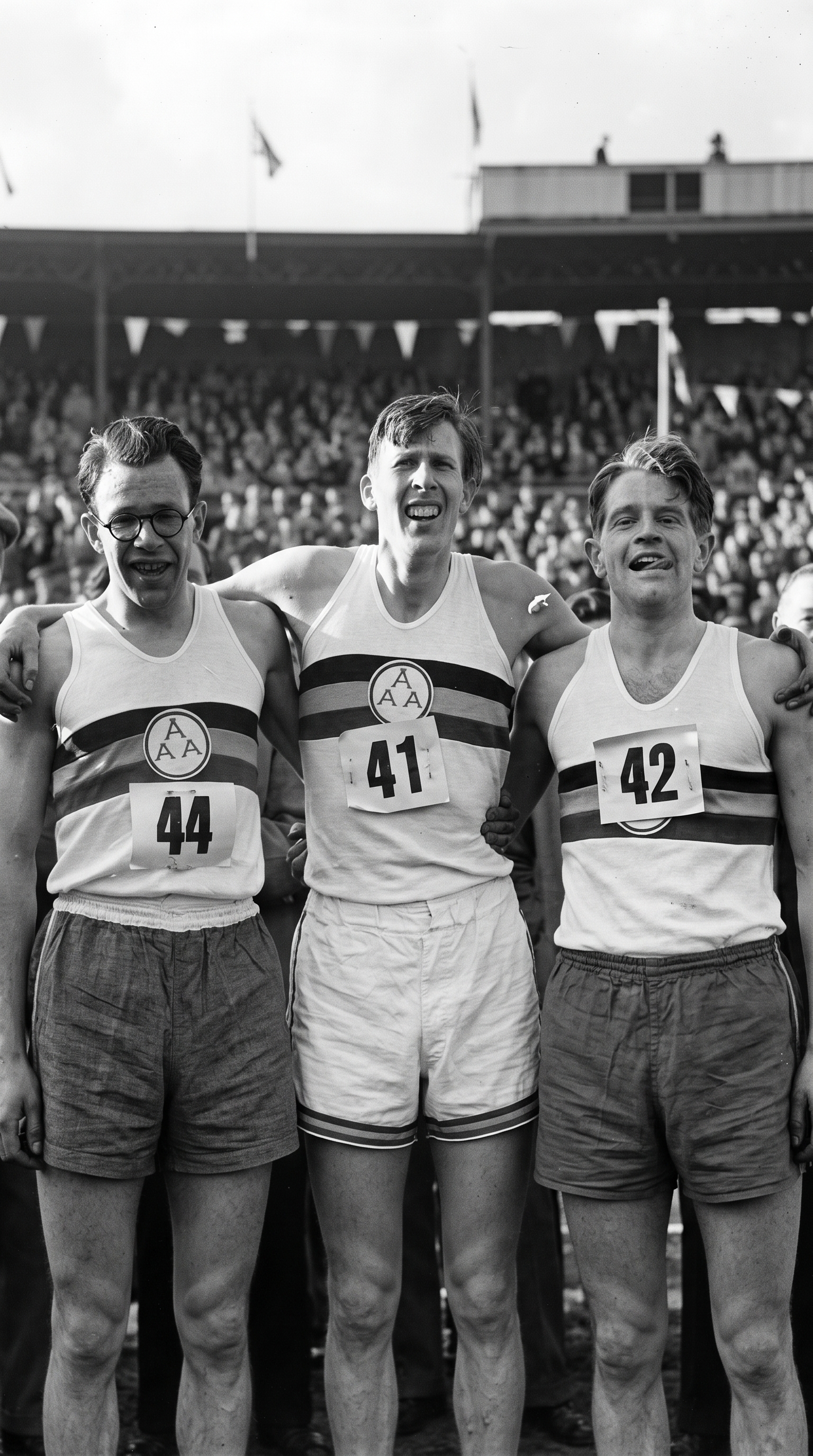
Bannister knew he couldn't break the record alone. He enlisted the help of two friends and training partners: Chris Brasher and Chris Chataway.
The plan was simple but required flawless execution. Brasher would pace the first two laps, aiming to reach the half mile in under two minutes. Then Chataway would take over and pull Bannister through the third lap, before Bannister launched his own sprint to the finish with roughly 300 yards to go.
!Runners pacing each other on the track
May 6, 1954: The barrier falls
On a windy, miserable afternoon at the Iffley Road track in Oxford, the conditions were far from ideal. Bannister almost called off the attempt, but the wind died down just before the race began.
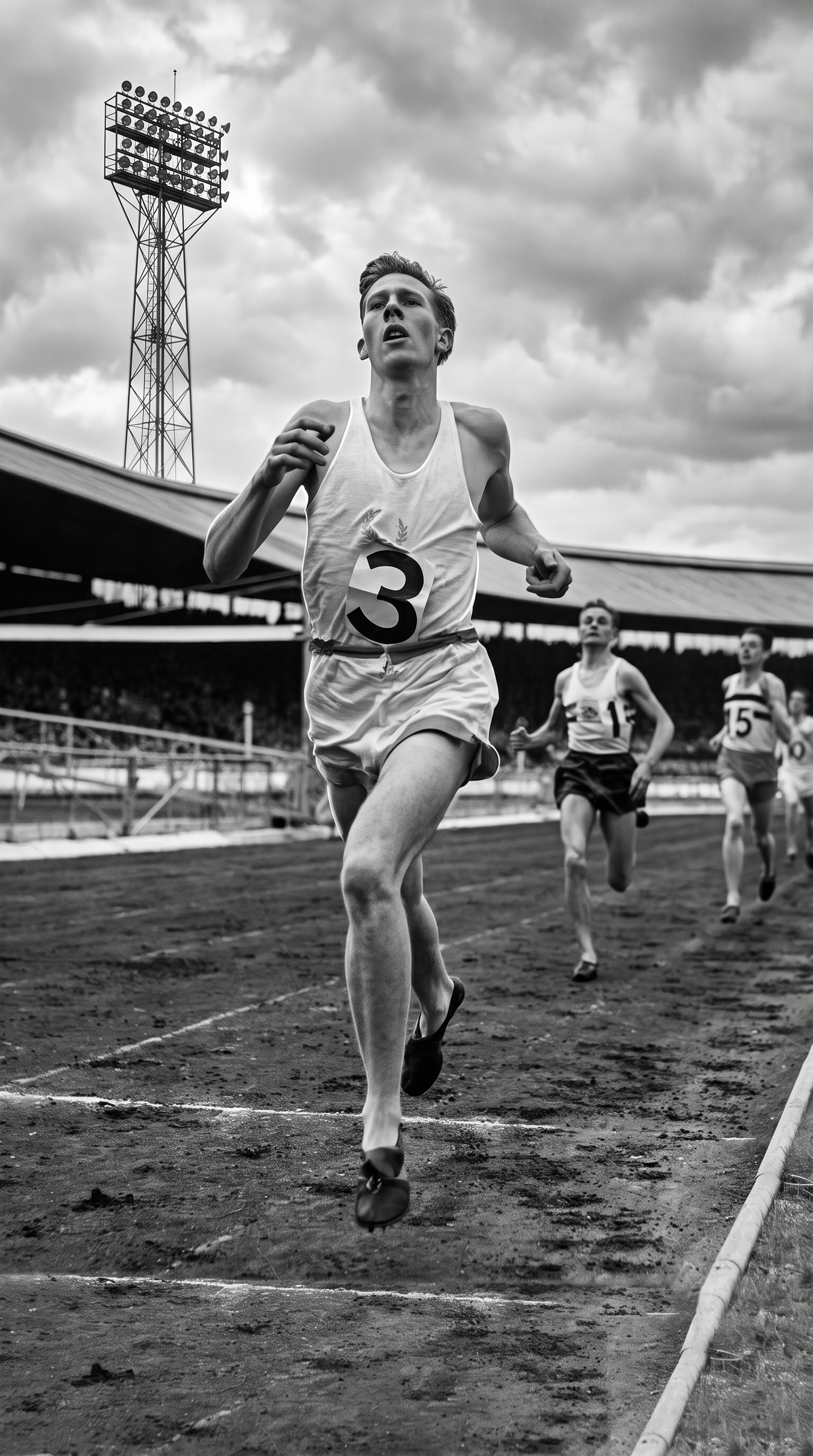
The race went exactly according to plan. Brasher led the first half, Chataway took over, and as the bell rang for the final lap, Bannister surged to the front. He crossed the finish line in a state of near-collapse.
The stadium announcer, Norris McWhirter, grabbed the microphone and began to read the result: *"The time is three..."*
The rest of the announcement was drowned out by the roaring crowd. Bannister had run 3:59.4. The impossible had been done.
!Bannister crossing the finish line exhausted
The sequel: once the barrier falls, it falls forever
The most fascinating part of this story isn't that Bannister broke the record. It is what happened immediately after.
For decades, no one could break four minutes. But just 46 days after Bannister's historic run, his rival, Australian John Landy, ran 3:57.9.
Within a year, several other runners had broken the four-minute mark. Today, well over a thousand runners have accomplished the feat. Even a small number of high school athletes have managed it, something that would have been considered pure fantasy before Bannister's run.
!Modern elite runners competing in a mile race
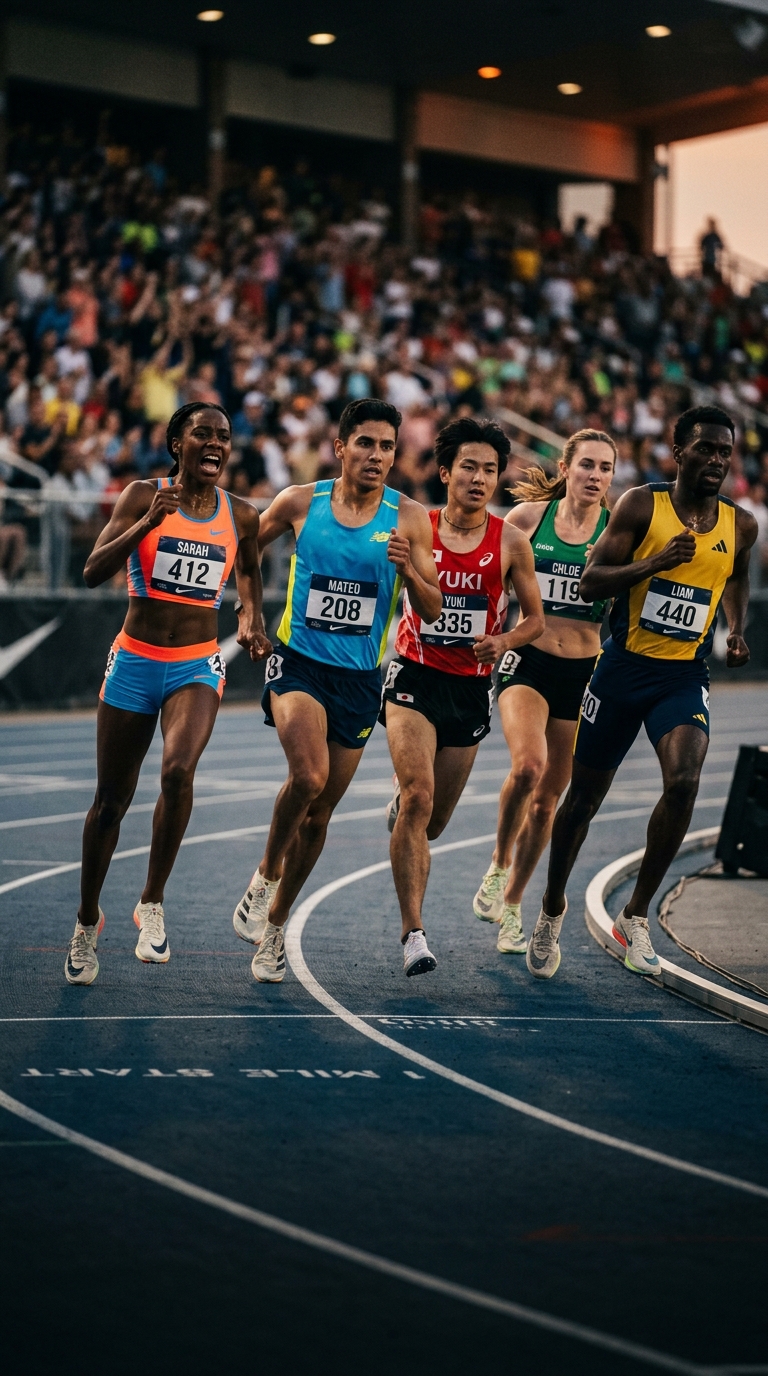
The physical limitations of the human body had not suddenly changed in 1954. What changed was the belief that it was impossible.
What Bannister proved about running
The four-minute mile is a reminder that the biggest barriers in running are often in the mind. Whether you are trying to break 30 minutes for a 5K or qualify for the Boston Marathon, your belief in what is possible dictates your performance.
Ready to chase your own barrier? Our AI Run Planner builds structured training plans tailored to your goal, and the Pace Calculator will tell you exactly what splits to aim for.
Find races: Browse marathons and road races in the United Kingdom on Your Run Guide, including track and road mile events across England, Scotland, and Wales.