How Heartbreak Hill Got Its Name: The 1936 Boston Marathon Duel That Coined a Legend
Johnny Kelley tapped Ellison 'Tarzan' Brown on the shoulder at mile 20.5 in 1936. What happened next broke Kelley's heart and created the most famous hill in marathon running.
· 7 min read · Race Spotlights
On paper, Heartbreak Hill in Newton, Massachusetts, looks surprisingly unimposing. It rises barely 27 metres (88 feet) over approximately 600 metres of roadway, topping out at a modest 3.3 percent gradient. In the Rocky Mountains or the hills of San Francisco, runners would barely register it as an incline.
Yet in the folklore of distance running, no hill is more feared, respected, or analyzed.
Located between miles 20 and 21 of the Boston Marathon, Heartbreak Hill has shattered thousands of PR dreams, turned sub-three-hour qualifiers into shuffling walkers, and settled Olympic-caliber showdowns.
It earned its famous name not from its steepness, but from a dramatic sports rivalry and an ill-advised pat on the back on April 20, 1936.
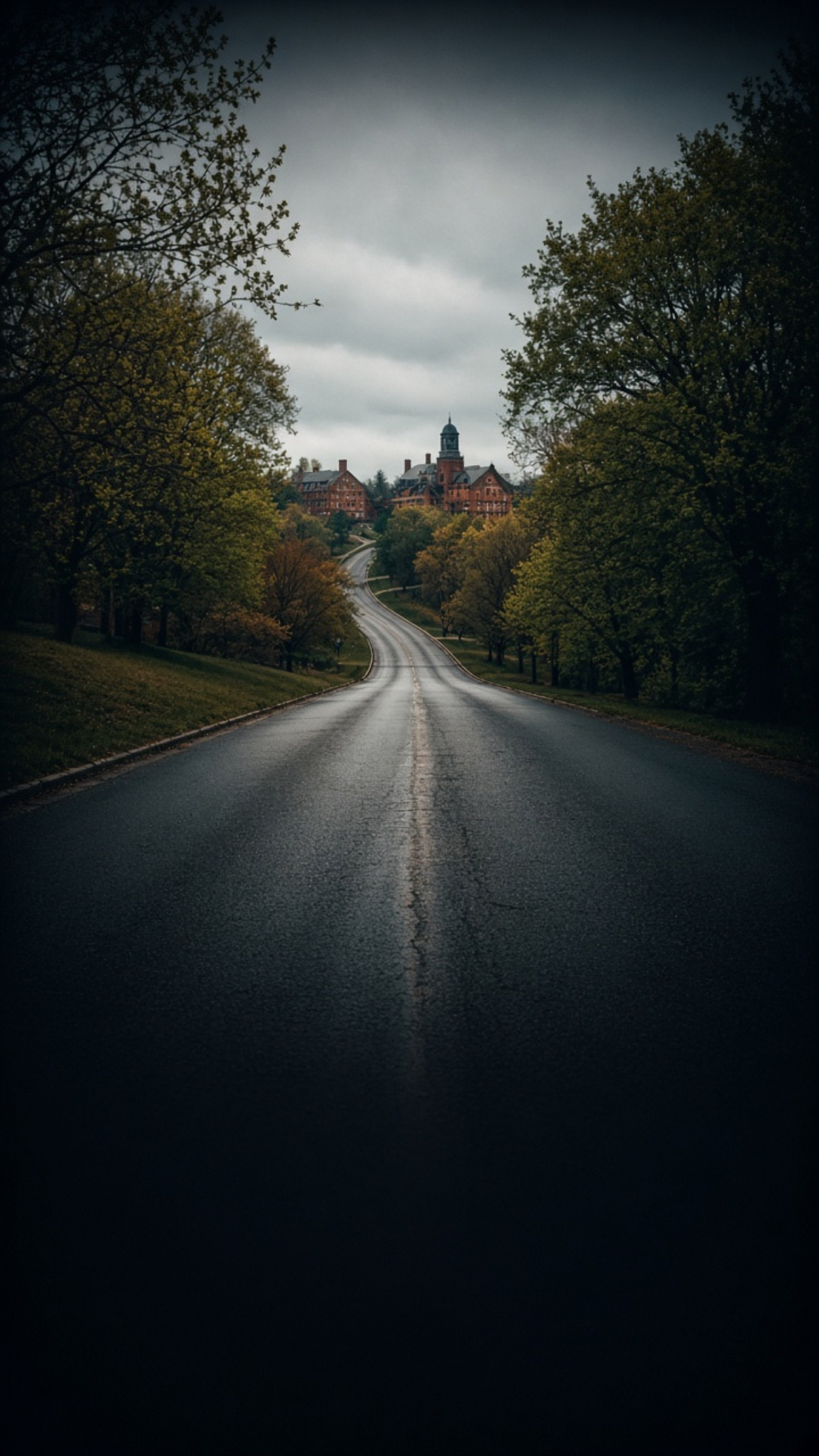
!Runners tackling the iconic Heartbreak Hill at the Boston Marathon
Patriots' Day 1936: The Tap on the Shoulder
The 40th edition of the Boston Marathon pitted two ferocious American talents against each other:
- John A. "Johnny" Kelley: The defending 1935 Boston Marathon champion, methodical, disciplined, and adored by the local Massachusetts crowds.
- Ellison "Tarzan" Brown: A 22-year-old Narragansett Native American runner from Rhode Island, immensely gifted, volatile, and known for setting blistering early paces.
From the gun in Hopkinton, Brown tore away from the field at suicidal speeds, opening a lead of several hundred yards through Framingham and Natick. Kelley ran a patient, calculated chase race from behind.
By the time the leaders crossed the Charles River into Newton Lower Falls at mile 16, Brown's early aggression began to take its toll. His shoulders tightened, and his stride began to shorten.
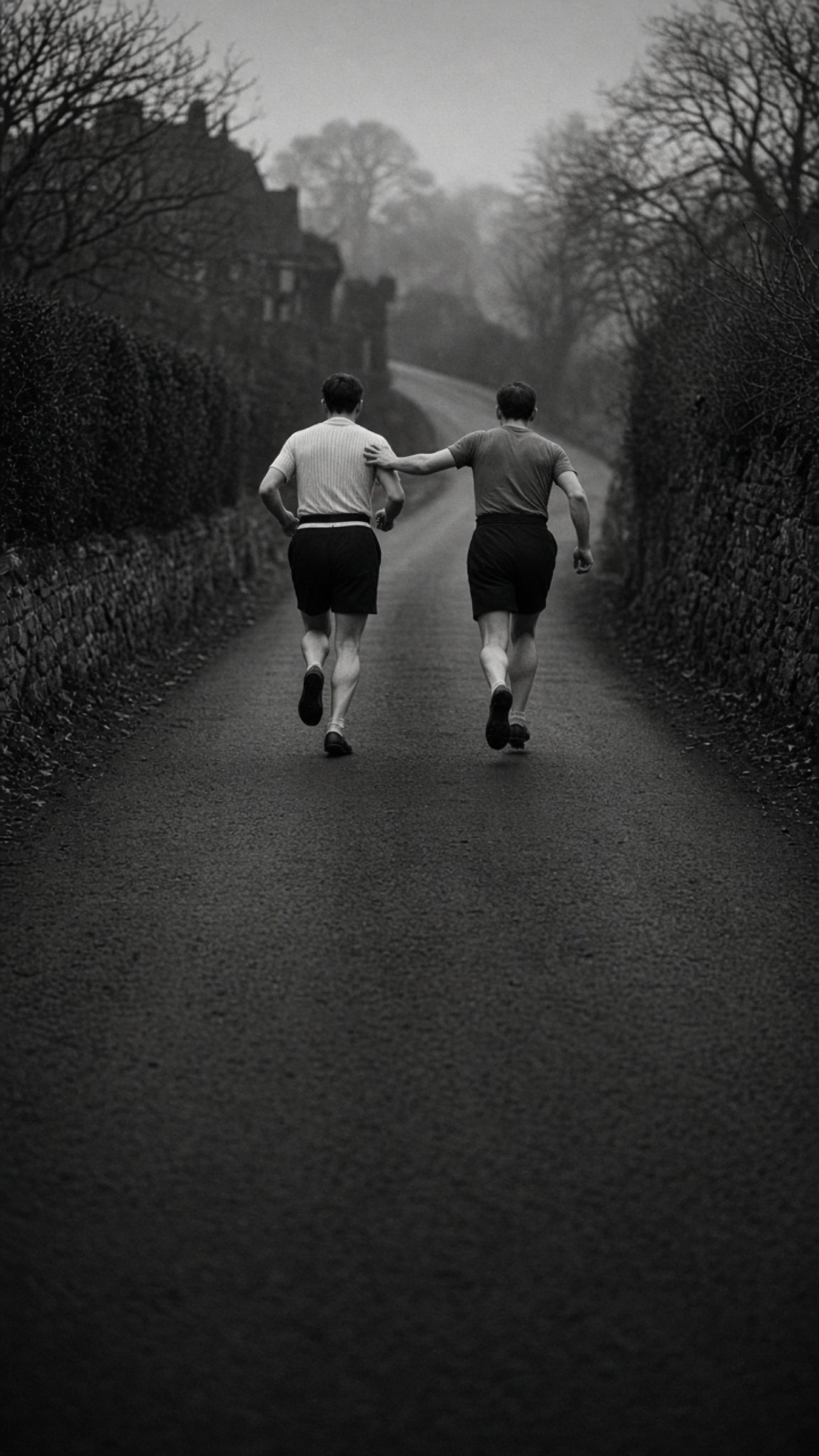
Kelley systematically closed the gap over the first three Newton hills. As the duo reached the base of the final climb past Boston College at mile 20.5, Kelley pulled alongside the exhausted Brown.
As he passed him, Kelley reached out and gave Brown a friendly pat on the back, intending to say: "Good effort, old pal, now I've got you."
!Johnny Kelley taps Tarzan Brown on Heartbreak Hill in 1936
The Savage Counter-Surge
The friendly tap had the opposite effect.
Instead of conceding defeat, Brown took the gesture as an intolerable insult. His eyes widened, his posture snapped upright, and he unleashed a savage counter-attack right on the crest of the hill.
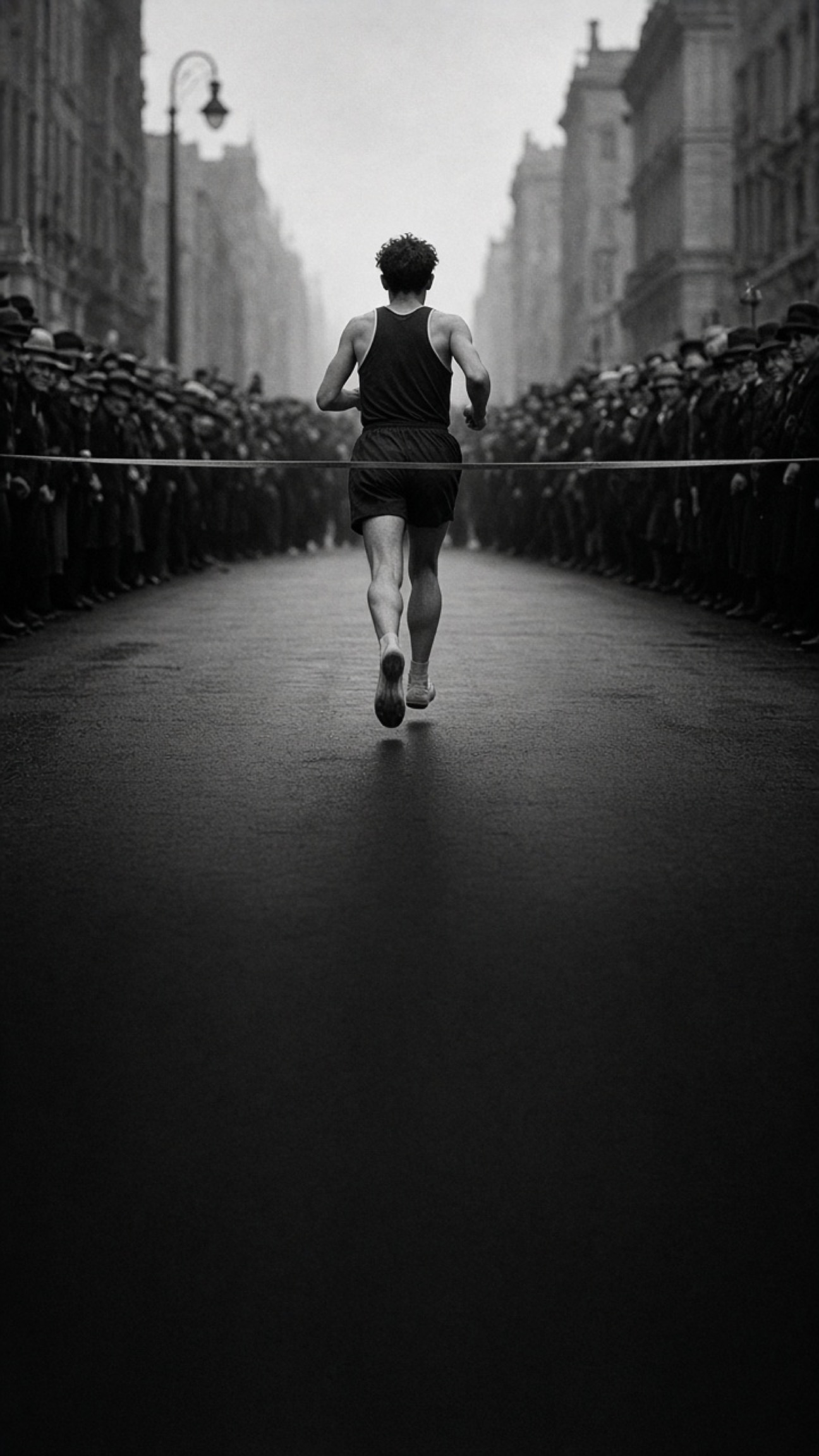
Kelley was stunned. Having spent his energy reserves closing the deficit, he had nothing left to answer Brown's furious acceleration. Brown pulled away down Commonwealth Avenue into Chestnut Hill, eventually winning the marathon in 2:33:40. Kelley faded to fifth.
Watching the duel from the press truck was Jerry Nason, a legendary sports reporter for the Boston Globe. In his front-page column the next morning, Nason wrote that Brown had:
> "...broke Kelley's heart on the hill."
Nason dubbed the climb "Heartbreak Hill", and the name instantly embedded itself into American athletic mythology.
!Tarzan Brown winning the 1936 Boston Marathon
Why Heartbreak Hill is So Biomechanically Cruel
If Heartbreak Hill is only an 88-foot rise, why does it demolish so many modern marathoners? The answer is found in what happens during the sixteen miles leading up to it:
1. The Quad Pounding of the Early Downhills The Boston course starts at Hopkinton (elevation 490 feet) and drops almost 300 feet over the first four miles. Runners get lured into running 10 to 15 seconds per mile faster than target pace. Every downhill step forces the quadriceps muscles into high-force eccentric contractions. By the time runners reach Newton at mile 16, their muscle fibres are already riddled with micro-tears.
2. The Newton Series: It Is Not Just One Hill Heartbreak Hill is actually the fourth climb in a relentless four-hill staircase between miles 16 and 21: - Mile 16 (Newton Lower Falls): A sharp dip followed by a climb over Route 128. - Mile 17.5: The second Newton hill past Commonwealth Avenue. - Mile 19: The long grind past Newton City Hall. - Mile 20.5: Heartbreak Hill itself.
By the time you reach Heartbreak, your legs have already absorbed three demanding ascents and descents.
3. The Glycogen Wall at Mile 20 Most runners deplete their stored liver and muscle glycogen between 90 and 120 minutes of running. Heartbreak Hill arrives precisely at the metabolic tipping point where carbohydrate reserves hit zero. Asking depleted muscles to execute a concentric climbing surge at mile 20 triggers the classic marathon wall.
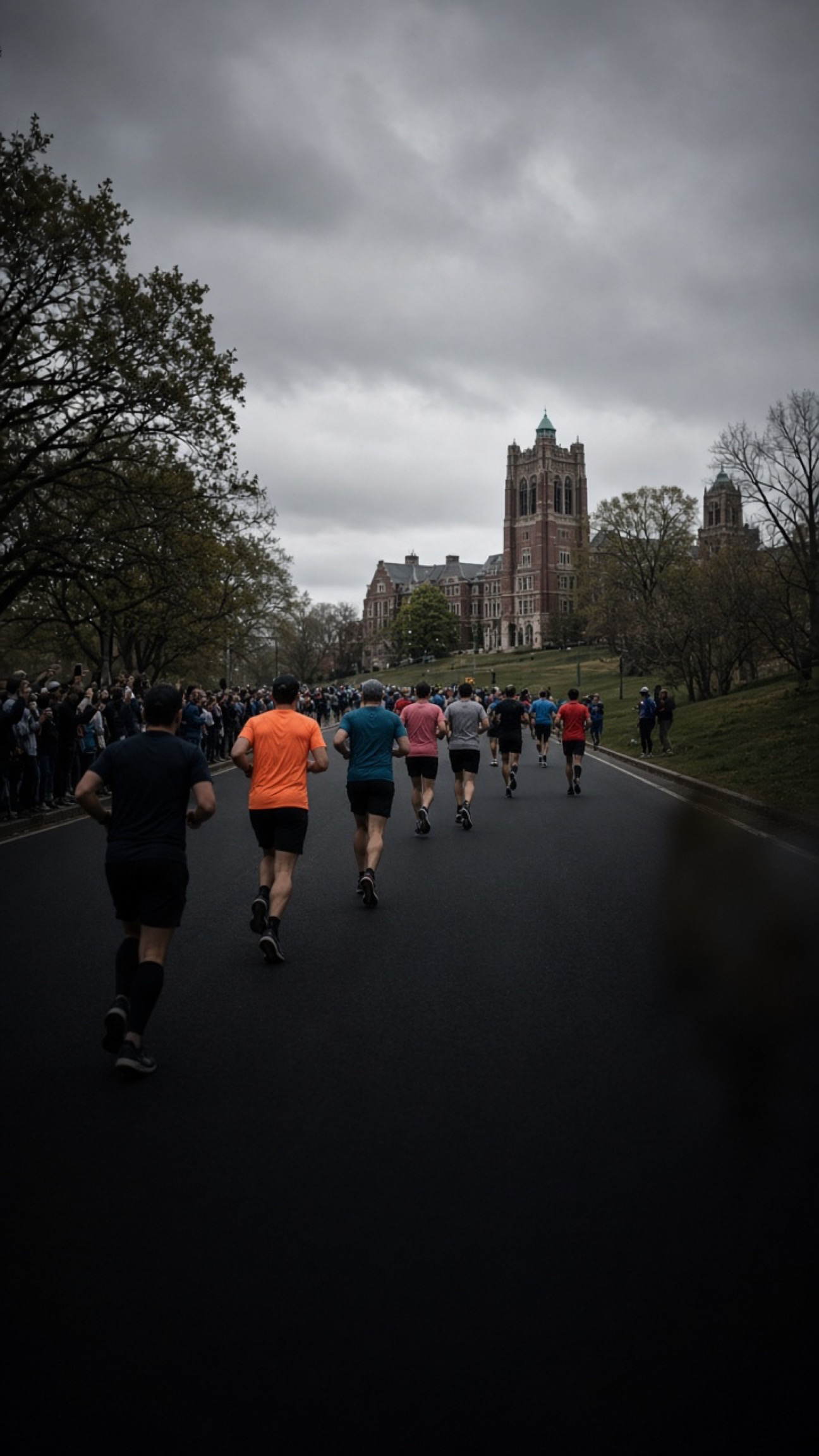
!Modern runners climbing Heartbreak Hill near Boston College
How to Pace Heartbreak Hill and Protect Your Boston Qualifier
If you are running Boston, follow these pacing rules:
Treat Miles 1 to 16 as an Easy Commute Do not put "banked time" in the bank during the early downhill miles. Every second gained through the rolling downhill stretch from Ashland to Wellesley will cost you four seconds on Commonwealth Avenue. Aim to cross the halfway timing mat at exactly half your goal time or slightly behind.
Shift Cadence, Shorten Stride on the Incline When you hit the Newton hills, do not try to maintain your flat-road pace. Let your pace drop by 15 to 20 seconds per kilometre. Shorten your stride, pump your arms from the shoulders, and maintain your cadence at 180 steps per minute.
Savor the Boston College Crest When you pass the cheering students outside St. Ignatius Church at the top of Heartbreak, the race changes. You have a long, gentle descent through Brookline and Coolidge Corner down to Kenmore Square. If you protected your quads, you can execute a negative split all the way to the famous left turn onto Boylston Street.
To plan your target Boston splits and manage late-race fatigue, check our marathon splits calculator, review our guide to conquering the marathon wall at mile 20, and customize your marathon training plan.
Find races: Browse marathons and road races in the United States on Your Run Guide, including Boston Marathon weekend events and qualifying races nationwide.